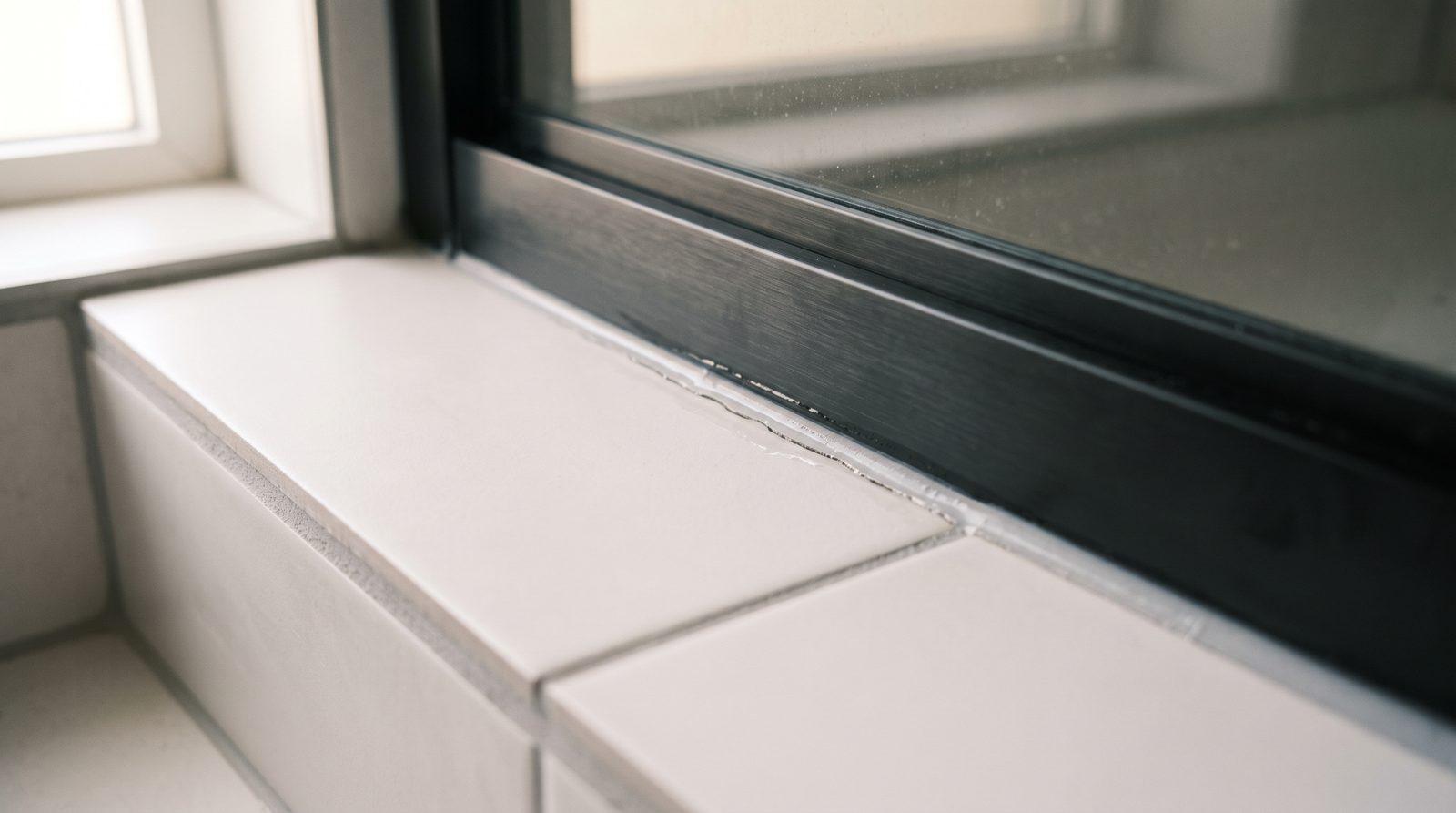
When a contractor is blaming material for a tile failure, the quickest test is where the failure sits. A bad batch of grout or thinset fails everywhere it was used: the whole floor goes powdery, the colour comes out patchy across the room, joints crumble in the middle of the field as well as at the edges. A failure that sits in one line, along one edge, at one place where the floor meets something else, is almost never the bag. It's the detail at that line.
Updated November 2026.
We've been reading one homeowner's story this month that puts it plainly. The bathroom was finished in late September. Five or six weeks later the grout is cracking along the step where the floor meets the metal frame of the glass shower screen, water is getting through, and the shower can't be used. The installer's explanation is that the grout was past its date. It's a plausible-sounding answer, and it might even be partly true. It's still the wrong answer to the question that matters, which is why it cracked there and nowhere else.
Read the crack before you read the excuse
Material problems and installation problems leave different patterns, and you don't need to be in the trade to see the difference.
Expired or badly mixed grout tends to show up as a whole-job problem. It stays soft or sandy when you drag a key across it, it washes out of the joints in the first few weeks of cleaning, the colour blotches from one end of the room to the other. If the same bucket went into 40 joints, all 40 should look sick.
Cracks that run in a straight line where two different things meet tell a different story. A floor meeting a wall, a tile step meeting a metal frame, a shower pan meeting a curb: those are changes of plane, and the two sides move separately with every temperature swing and every time somebody stands on the floor. The tile industry's method for these joints, EJ171 in the TCNA Handbook, calls for a soft, flexible joint, a sealant rather than grout. Hard grout packed into a joint that moves will crack, and fresh grout from a brand new bag cracks there just as reliably as old grout does. That's why a crack along a frame six weeks after handover reads as a movement question first.
What a real explanation sounds like
A straight answer from an installer usually has three parts. It says what failed, it says why that spot, and it says what the fix will be. "The grout at the screen frame cracked because that joint should have been a flexible sealant, we'll cut it out, sort out the waterproofing behind it and seal it properly" is an explanation. So is "we found a soft spot in the subfloor under that step and here's what we're doing about it."
Answers that point only at a product, with nothing about the location, deserve a follow-up question. Ask a few things, calmly, and listen to whether the answers fit the pattern on your floor:
- If the material was bad, why is the failure only along that one line?
- Was that joint grouted or caulked when you finished it?
- Is water getting behind the tile, and has anybody checked the waterproofing at that spot?
- Do you have the bag, or the batch number, so the manufacturer can look at it?
That last one matters more than people think. Manufacturers print a date and a lot code on grout and mortar, and a contractor who really believes the product was faulty has every reason to keep the packaging and call the manufacturer. If nobody kept a bag and nobody called anyone, the theory is mostly words.
Where the installer may be right
Material does fail sometimes. Grout that sat in a damp garage for a year can lump and set badly. A two-part product mixed in the wrong ratio won't cure. Some stone reacts to the wrong setting material. We're not going to pretend every material story is a cover. The test is just whether the evidence matches the story, and whether the fix being offered treats the cause or only the symptom.
Here's the part we'd push back on hardest: even if the bag really was past its date, picking it up and using it was the installer's call. Checking what goes into the joint is part of the job. A material excuse doesn't move responsibility off the person who chose the material.
When it has to be opened up again
If water is getting through at that crack, regrouting over the top isn't a repair. The crack is the visible part. What matters is whether the waterproofing behind and under that line is intact, and whether anything below has been wet for a month. We wrote up what that kind of leak usually traces back to in why shower tile cracks.
A proper fix on a joint like this usually means cutting the failed grout out of the whole line, checking that the membrane is continuous at that spot, repairing it if it isn't, and finishing the joint with a flexible sealant that matches the grout colour. On a new bathroom that is a half day of careful work, not a new bathroom. If the membrane was never carried up under that frame, it's a bigger conversation, and the right time to have it is now, before the wall behind starts to soften.
Our own tile work carries a 10-year workmanship guarantee, and we can offer that because the joints that move get treated as moving joints from day one. That's the standard we'd hold anyone to. If you're about to release a final payment and want a structured way to look at the rest of the job, use our tile inspection checklist first.
Send us clear photos of the crack, the full length of the line it runs along and the room around it, and we'll tell you what the pattern says. We won't give you a verdict on somebody else's work from a photo, but we can usually tell you which question to ask next, and whether this is a tile installation problem or something underneath it.